

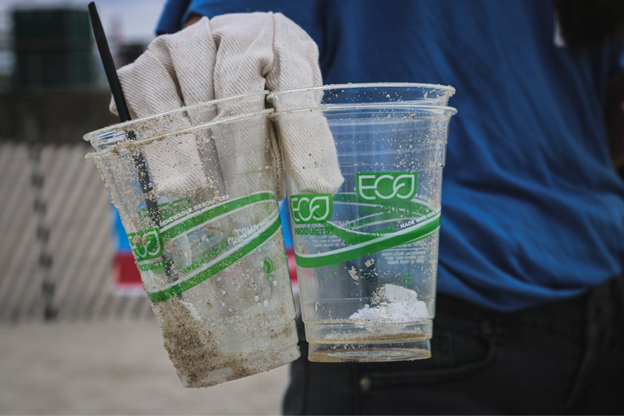

Supporting sustainable causes can win you the admiration of climate-conscious customers and help position your brand as eco-friendly. Finding ways to promote recycling, energy efficiency, and low-waste living may make your business eligible for tax credits and federal support, too, as the government seeks to aid firms that take their commitment to climate change seriously.
However, before you start purchasing green stickers and posting earth-inspired graphics to your Instagram, you need to ensure that your startup is authentically sustainable. This is key, as savvy, modern consumers will spot greenwashing and turn away from any brands that seem to be using deceitful selling tactics.
Adopting authentic sustainability practices can help you build a brand identity that lasts, too. Eco-friendly branding strategies can help you build trust amongst customers as your firm grows and are almost certain to yield repeat purchases. Going green can also help you partner with similar brands that care about protecting the environment while turning a profit.
Verizon Small Business: Free Training in Digital Marketing
Understanding and Avoiding Greenwashing
Greenwashing is defined by the United Nations as a “deceptive tactic,” that happens when businesses deceive the public into believing “that a company or other entity is doing more to protect the environment than it is.” It presents a serious obstacle to making meaningful change and typically occurs when companies:
- Claim to be heading toward net zero when, in reality, they have no credible plan
- Are purposefully vague about the harm they cause
- Mislead customers with labels and graphics that look eco-friendly and are easily misinterpreted
- Imply that a minor improvement has drastically reduced their impact
Falling foul of greenwashing can earn you the ire of customers and may lead to fines. Even big brands, like Volkswagen and H+M, have earned fines ranging from hundreds of thousands to millions of dollars.
You can’t claim ignorance as an excuse for greenwashing, either. For example, if you don’t track your carbon emissions, but promote a small line of recycled products, you are almost certainly greenwashing. Rather than guessing about the impact your business has, take proactive steps to secure eco-friendly growth for your brand today.
Eco-Friendly Growth
Growing your business can be deeply rewarding if you’re an entrepreneur with big dreams. However, expanding your operations innately increases the emissions and waste created by your firm. This means you must take proactive steps to start building an authentically sustainable business that can grow without causing excessive harm to the natural world.
Start by looking into green construction methods as your presence grows. This is particularly important if you plan on expanding to a brick-and-mortar location, as the emissions associated with heating, lighting, and cooling a physical workspace can become unsustainable quickly. If you’re turning a healthy profit and can afford to build a place of your own, consider adopting advances in sustainable construction, like:
- Radiant Heating and Cooling: Most modern buildings use forced air for temperature control. However, this comes at a heavy carbon cost as it requires masses of energy to heat and cool rooms effectively. Radiant control offers a low-energy alternative by pushing water through strategically placed pipes throughout the building.
- Passive Solar Power: Passive solar isn’t a new idea. However, recent innovations have maximized the potential of using south-facing windows to naturally control indoor temperatures.
- Smart Glass: Like passive solar, smart glass helps you modulate interior temperatures without turning on the AC. Smart glass adjusts its transparency throughout the day, meaning you can keep your office shaded even when the summer sun is at its full height.
- Cool Roofs: Cool roofs reflect the sun’s rays and keep your building naturally cool during the summer months. There are different types of cool roofs, too, as you can use a coating or sustainable planting to mitigate the impact of the sun’s rays.
These changes can meaningfully reduce your carbon footprint and represent a major investment into sustainable operations. This is sure to impress prospective customers and will help you highlight your achievements without greenwashing.
6 Sustainable Packaging Solutions for Businesses
However, as your firm grows, you’ll likely need to partner with more external stakeholders. This is a natural part of expanding your operations, as you’ll want to find suppliers who can handle increased order volumes and partner with PR firms to promote your growing business. When looking for new business partners, be sure to do your research and ask them about their environmental track record. At a minimum, prospective suppliers should be able to provide information like their:
- Yearly carbon emissions
- Waste management systems
- Water usage
- Environmental standards and certifications
This will help you cut down on upstream emissions and ensure that you’re partnering with responsible businesses that share your passion for environmental protection.
Highlighting Your Achievements
Making sustainable changes should be your priority as a leader of a growing business. However, if you want those changes to translate into higher profits you will need to highlight your achievements and ensure that your customers understand how eco-friendly your operations really are.
Get the ball rolling by hosting brainstorming sessions with your marketing team. Brainstorming helps you simplify complex ideas like carbon emissions and gives everyone a chance to offer their insights. Effective brainstorming speeds up the content creation process, too, as you’ll be able to encourage teamwork and refine your ideas faster when working on a collaborative document.
When you do decide to publish social posts and blog content related to your sustainability goals, be sure to include a blend of qualitative data and your long-term goals. This builds your credibility and shows folks that you’re serious about running a sustainable start-up. Don’t be afraid to share a few of your current shortcomings, either. Just be sure to follow up with a clear, publicly available plan to reduce your waste or decrease your emissions.
Sustainable and Purposeful Startups: 12 Leader Insights
Conclusion
Most business leaders agree that going green is important for growing businesses. Foregrounding sustainability as you grow can cut down on your long-term emissions and help you land loyal customers who will buy from your brand repeatedly in years to come. However, you’ll need to ensure that you do not fall foul of greenwashing, as this will undermine consumer trust and tank your brand image. Instead, commit to meaningful changes that are easy to track and reflect your startup’s desire to be authentically sustainable.
Image by Unsplash